
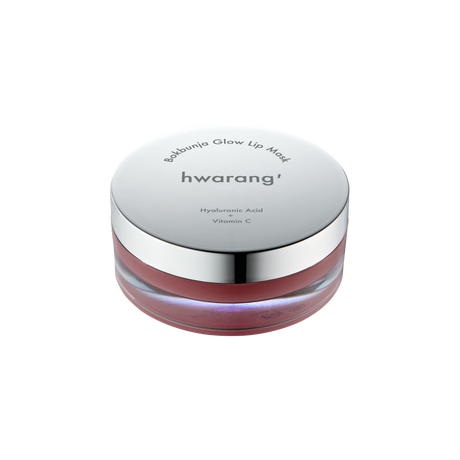
![[hwarang'] Bokbunja Glow Lip Mask](http://www.yeppo.fi/cdn/shop/files/hwarang_-Bokbunja-Glow-Lip-Mask-lifestyle.jpg?v=1788250970&width=460)
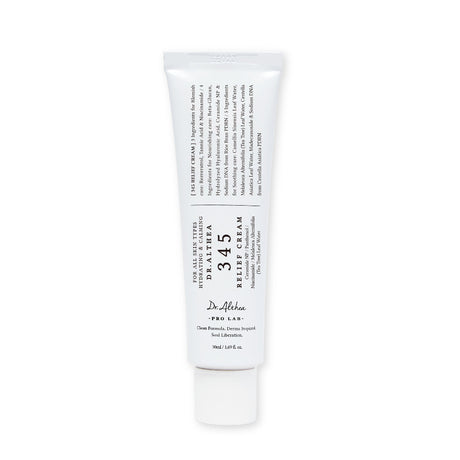
![[Dr. Althea] 345 Relief Cream](http://www.yeppo.fi/cdn/shop/files/Dr._Althea-345-Relief-Cream-renewal-1.jpg?v=1769059724&width=460)
![[Dr. Althea] 345 Relief Cream](http://www.yeppo.fi/cdn/shop/files/Dr._Althea-345-Relief-Cream-renewal-2.jpg?v=1769059842&width=460)
![[Dr. Althea] 345 Relief Cream](http://www.yeppo.fi/cdn/shop/files/Dr._Althea-345-Relief-Cream-renewal-3.jpg?v=1769059842&width=460)
![[Dr. Althea] 345 Relief Cream](http://www.yeppo.fi/cdn/shop/files/Dr._Althea-345-Relief-Cream-renewal-4.jpg?v=1769059842&width=460)
![[Dr. Althea] 345 Relief Cream](http://www.yeppo.fi/cdn/shop/files/Dr._Althea-Cream-Comparision.webp?v=1777545317&width=460)
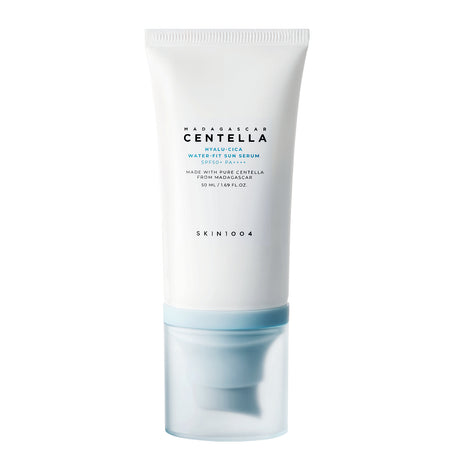
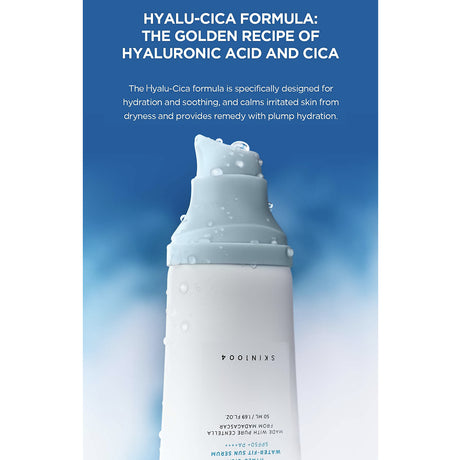
Korean makeup base often looks light, radiant, and effortless, almost perfect. But behind the perfect look is a carefully thought-out process that starts even before the first makeup product. While Western makeup culture emphasizes coverage, shaping, and creating contrasts, the Korean makeup base emphasizes a natural, translucent, and glowy look.
In this article, we go step by step through how Korean and Western makeup bases differ: from skin prep to foundation choice, color tones, contouring, and the use of blush and highlighter. You will get easy tips so you can create the perfect Korean makeup base with K-beauty products!
Korean vs. Western Foundation
What distinguishes Korean and Western foundation?
In Western culture, makeup plays a very personal role in people's lives, and the individual's personality is expressed more strongly through makeup. Often, makeup is more covering and uses stronger colors, and the face shape aims for a "snatched" look. Korean makeup aims to look like your own skin, but better. Makeup is created subtly, layer by layer, and the result seeks translucency while emphasizing the face according to its own features. Emphasizing youthful and soft features is also more typical in Korea. Korean makeup always starts with the skin – when the skin is healthy, the makeup looks good too.

1. Skin Prep – the most important step in Korean foundation
In Korea, makeup prep doesn’t just mean primer but proper skincare. The cornerstones of makeup prep are.
- Light exfoliation as needed: Exfoliating toner pads are a very typical solution here; they make it easy to focus exfoliation on areas that need it most, like the sides of the nose and chin. A good toner pad for makeup prep is, for example, the gently exfoliating Medicube Zero Pore Pad Mild
- Layered hydration of the skin: Hydration is the most important step in makeup prep, but it should be done in layers so the skin gets just the right amount of moisture. If the skin is over-moisturized, the makeup may not last and applying makeup can be challenging. Successful hydration makes the skin glow and feel good, leaving a slight "sticky" feel that makeup adheres to well. Oily skin may do well without moisturizer, using only toner and serum. A perfect base under makeup is created, for example, by makeup artist Jung Saem Mool - Jungsaemmool’s moisturizing primer

2. Foundation: coverage vs. skin translucency
Koreans love cushion foundations, and the bottle or tube foundations familiar in the West are not nearly as popular. Foundations come in different coverage levels, but they are quite translucent and easy to layer. This makes the foundation look natural and does not create a "mask" on the skin.
Cushion foundations and many other Korean foundations contain many skincare ingredients, so they combine skincare benefits with makeup. Some of Yeppo’s most popular foundations include Espoir’s Be Glow Volume Cushion and Glow’s Breathable Blemish Balm
Tip! How to use a cushion foundation?
It’s very easy: the foundation is packed under a sponge inside the cushion, from which you gently press out the product with the included puff. See an example in this video, where you can watch the process step by step.
+ if you want to cover small skin imperfections more precisely, add concealer at this point. Koreans use concealer very sparingly, only to cover small marks. Thin layers ensure the product doesn’t settle into the lines and looks more natural.
3. Contouring: strong sculpting or light shading?
In Korea, contouring is not meant to reshape your facial features into something else – contouring should not even be noticeable and is very subtle. The contour shade is 1-2 shades darker than your own skin tone, and contouring is done with a very light, careful touch. This is very different from the Western style, where contours are stronger and aim to sculpt features prominently.
Korean contouring focuses on the edges of the face, hairline, and the bridge of the nose. Subtle techniques create a natural result that highlights your own features.
Grab tips for creating Korean contouring from this TikTok video!
4. Blush: bringing life to the face according to your own colors
The difference between Korean and Western styles in blush is really big. In Korean makeup, blush is placed quite high on the face and closer to the center of the face. The purpose of blush is to bring youthfulness and softness to the face. The shade in traditional makeup is light and chosen according to your own color palette. In modern style Korean makeup, there is a bit more freedom in blush intensity, but still not as much as in the West. In the West, blush is applied more generously and more to the highest points of the cheeks and towards the edges of the face, which emphasizes face length and creates a "snatched" look.
For fans of subtle and natural blush, Espoir’s Tone Pairing Cheek is a good choice. If you want a more intense glow, choose Fwee Lip & Cheek Blurry Pudding Pot

5. Highlighter: brings out your inner glow
Highlighter plays an important role in Korean makeup base. In Korea, you can find highlighters that add glittery sparkle as well as those that give a silky glow. There are many product forms too: liquid, cream, stick, and powder. But whatever form you use, highlighter is a must!
In Korea, the highlighter is used to emphasize the natural light points of the face, so it is applied to the cheekbones, bridge and tip of the nose, upper lip, chin, and the highest point of the forehead. This creates three-dimensionality on the face, which also gives the face a slimmer appearance.
For fans of subtle and natural glow, we recommend Espoir’s Be Glow Stick Radiance
If you want a strong sparkle, choose Espoir’s Tone Pairing Highlighter

6. Powder: the key to long-lasting makeup
It’s good to naturally finish makeup with powder! Korean makeup products are nourishing, so powder helps set the makeup so it stays fresh all day. Powder can reduce shine or just set makeup without making the skin too matte. In Korea, the baking technique familiar in the West is not used; powder is applied very sparingly only where it’s most needed. Shine is not removed from areas highlighted in Korean makeup, such as the tip of the nose. But powder is added under the eyes and to the sides of the nose. Depending on your style and products, you can apply powder either right after foundation or as the last step in your makeup routine if you want a more matte finish.
If you want a powder that reduces shine and controls oil production, choose VT Cosmetics’ oil-control powder, enriched with centella extract.
If you’re looking for a powder that sets the makeup and makes it long lasting, choose TFIT’s Translucent Set Finishing Powder, which also comes in several shades.
Tip! For extra durability, use a makeup setting spray – try the popular makeup setting spray by Korean makeup artist Jungsaemmool.
Bling! You are now ready to create the perfect foundation look for yourself 😍

 info@yeppo.fi
 14 vrk palautusoikeus
 SSL Encryption
 Secure Checkout
 PCI-DSS Compliant
 PayPal Buyer Protection
 Klarna – Pay Securely
![[A'pieu] Banana Milk One-Pack Sheet Mask](http://www.yeppo.fi/cdn/shop/products/6c7a85_417e0a8a8d0847a69585a88fe2eaaa26_mv2.jpg?v=1616347294&width=156)
![[A'pieu] Coffee Milk One-Pack Facemask](http://www.yeppo.fi/cdn/shop/products/6c7a85_7f19d8c618b143ebb2538f2188cc26e6_mv2.jpg?v=1616346654&width=156)
![[A'pieu] Green Tea Milk One-Pack Sheet Mask](http://www.yeppo.fi/cdn/shop/products/a_pieu_green_tea_milk_one_pack_21g.jpg?v=1622302818&width=156)
![[A'pieu] Icing Sweet Bar Sheet Mask Hanrabong](http://www.yeppo.fi/cdn/shop/products/6c7a85_4c6f0810a10a449da62c0d9badf73533_mv2.jpg?v=1616347691&width=156)
![[A'pieu] Icing Sweet Bar Sheet Mask Pineapple](http://www.yeppo.fi/cdn/shop/products/6c7a85_fcc180ff6d2049b987a2662ebe032536_mv2.jpg?v=1616347693&width=156)