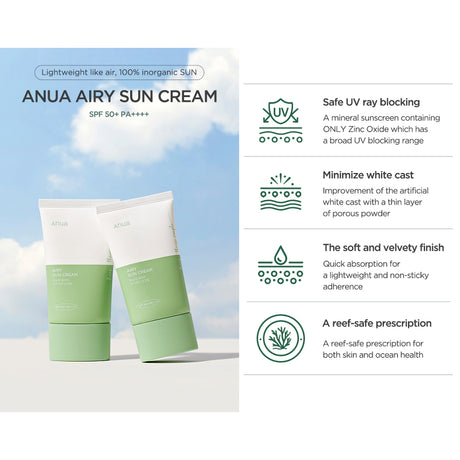
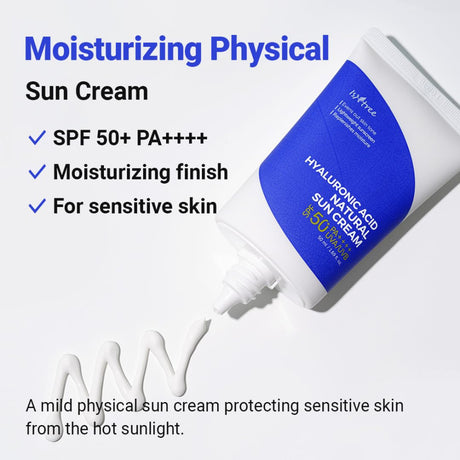
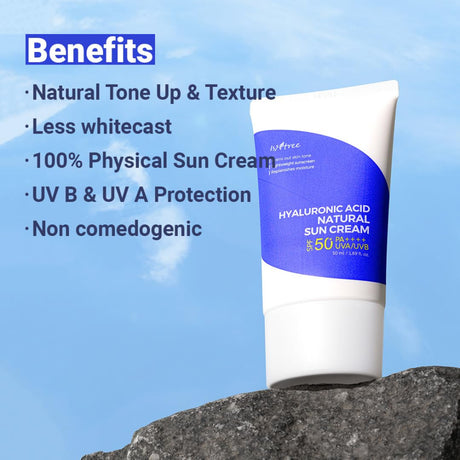
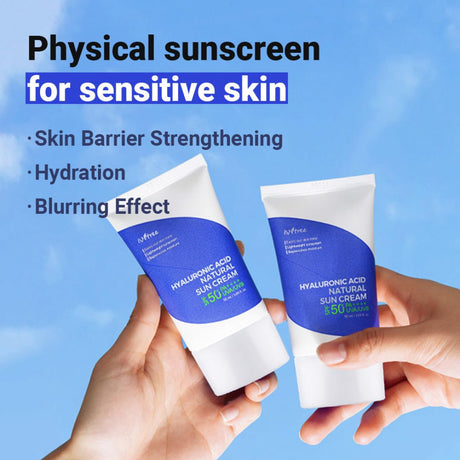
Physical, also known as inorganic or mineral sunscreen, contains minerals such as zinc oxide and titanium dioxide, which can be found in the ingredient list under names like Titanium Dioxide or Zinc Oxide. Physical sunscreen scatters UV radiation away from the skin to some extent (about 5%) in addition to absorbing harmful UV rays itself, similar to chemical sunscreens. However, unlike chemical sunscreens, physical sunscreens do not absorb into the skin and may therefore have a richer texture.
For babies and those with sensitive skin, physical sunscreen may be a better option than chemical sunscreen.
What are the benefits of mineral sunscreen?
Physical sunscreen may be better suited for sensitive skin than chemical ones. Additionally, fragrance-free physical sunscreens are recommended for babies.
Is physical sunscreen suitable for the face?
Both physical and chemical sunscreens are suitable for the face, and they are equally effective and long-lasting as long as they are used correctly and reapplied often enough. A good basic guideline for the face is a teaspoon of cream every two hours when spending time in the sun.

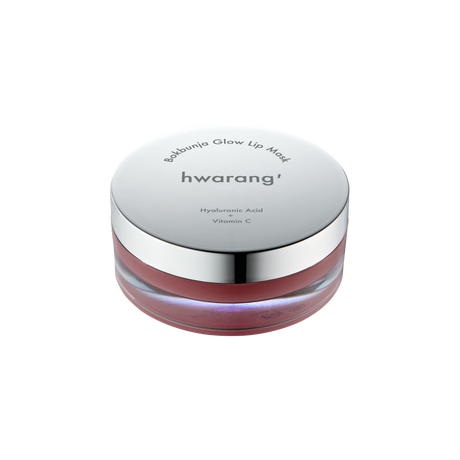
![[hwarang'] Bokbunja Glow Lip Mask](http://www.yeppo.fi/cdn/shop/files/hwarang-Bokbunja-Glow-Lip-Mask-1.jpg?v=1790227999&width=460)
![[hwarang'] Bokbunja Glow Lip Mask](http://www.yeppo.fi/cdn/shop/files/hwarang-Bokbunja-Glow-Lip-Mask-2.jpg?v=1790228040&width=460)
![[hwarang'] Bokbunja Glow Lip Mask](http://www.yeppo.fi/cdn/shop/files/hwarang-Bokbunja-Glow-Lip-Mask-3.jpg?v=1790228064&width=460)
![[hwarang'] Bokbunja Glow Lip Mask](http://www.yeppo.fi/cdn/shop/files/hwarang_-Bokbunja-Glow-Lip-Mask-lifestyle.jpg?v=1790228084&width=460)
![[hwarang'] Bokbunja Glow Lip Mask](http://www.yeppo.fi/cdn/shop/files/hwarang-Bokbunja-Glow-Lip-Mask-4.jpg?v=1790228107&width=460)
![[hwarang'] Bokbunja Glow Lip Mask](http://www.yeppo.fi/cdn/shop/files/hwarang-Bokbunja-Glow-Lip-Mask-5.jpg?v=1790228120&width=460)
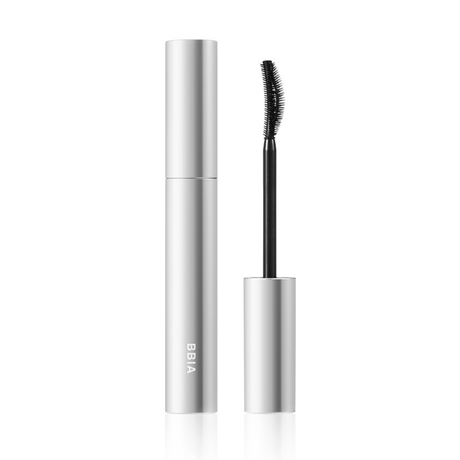
![[BBIA] 38C Tubing Mascara](http://www.yeppo.fi/cdn/shop/files/BBIA-38C-Tubing-Mascara-1.jpg?v=1779184178&width=460)
![[BBIA] 38C Tubing Mascara](http://www.yeppo.fi/cdn/shop/files/BBIA-38C-Tubing-Mascara-3.jpg?v=1779184201&width=460)
![[BBIA] 38C Tubing Mascara](http://www.yeppo.fi/cdn/shop/files/BBIA-38C-Tubing-Mascara-2.jpg?v=1779184187&width=460)
![[BBIA] 38C Tubing Mascara](http://www.yeppo.fi/cdn/shop/files/BBIA-38C-Tubing-Mascara-4.jpg?v=1779184227&width=460)
![[BBIA] 38C Tubing Mascara](http://www.yeppo.fi/cdn/shop/files/BBIA-38C-Tubing-Mascara-5.jpg?v=1779184242&width=460)
![[BBIA] 38C Tubing Mascara](http://www.yeppo.fi/cdn/shop/files/BBIA-38C-Tubing-Mascara-6.jpg?v=1779184274&width=460)
![[BBIA] 38C Tubing Mascara](http://www.yeppo.fi/cdn/shop/files/BBIA-38C-Tubing-Mascara-8.jpg?v=1779185072&width=460)
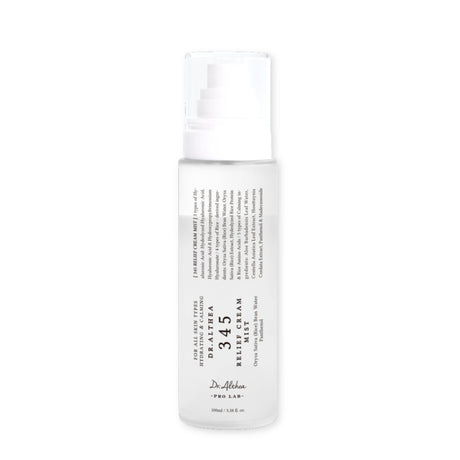
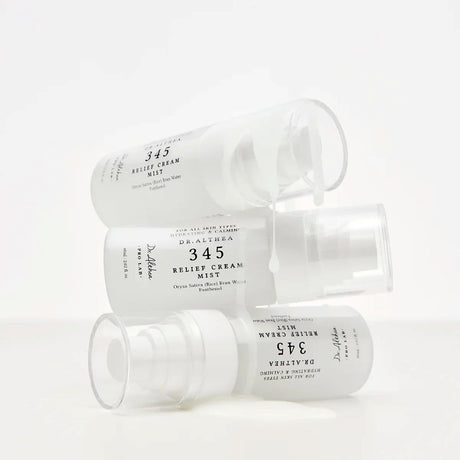
![[Dr. Althea] 345 Relief Cream Mist](http://www.yeppo.fi/cdn/shop/files/Dr.Althea-345-Relief-Cream-Mist-1.jpg?v=1770727761&width=460)
![[Dr. Althea] 345 Relief Cream Mist](http://www.yeppo.fi/cdn/shop/files/Dr.Althea-345-Relief-Cream-Mist-4.jpg?v=1770727761&width=460)
![[Dr. Althea] 345 Relief Cream Mist](http://www.yeppo.fi/cdn/shop/files/Dr.Althea-345-Relief-Cream-Mist-2.jpg?v=1770727761&width=460)
![[Dr. Althea] 345 Relief Cream Mist](http://www.yeppo.fi/cdn/shop/files/Dr.Althea-345-Relief-Cream-Mist-3.jpg?v=1770727761&width=460)
![[Dr. Althea] 345 Relief Cream Mist](http://www.yeppo.fi/cdn/shop/files/Dr.Althea-345-Relief-Cream-Mist-60ml.jpg?v=1770727761&width=460)
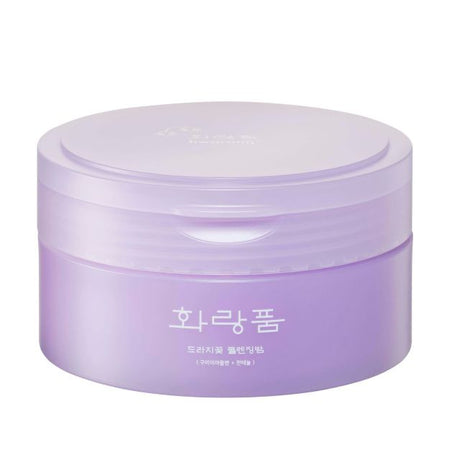
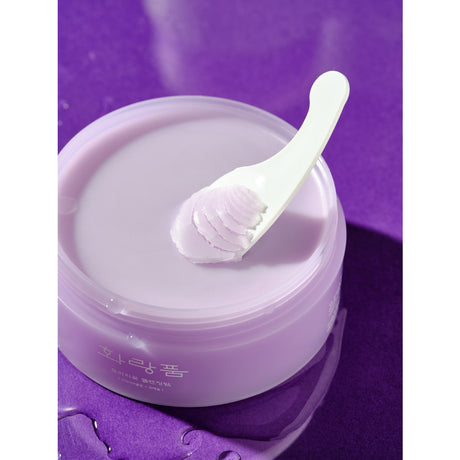
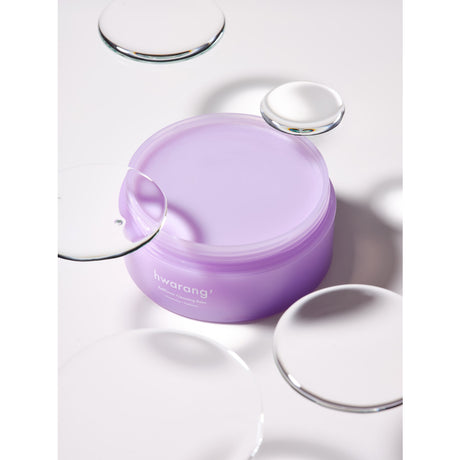
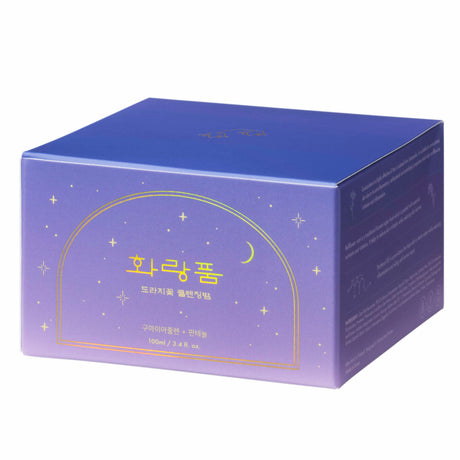
![[hwarang'] Bellflower Cleansing Balm](http://www.yeppo.fi/cdn/shop/files/hwarang-bellflower-cleansing-balm-mini-30ml-min.webp?v=1740465019&width=460)
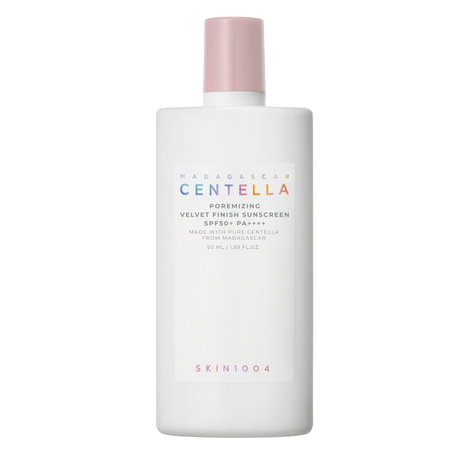
![[SKIN1004] Madagascar Centella Poremizing Velvet Finish Sunscreen](//www.yeppo.fi/cdn/shop/files/SKIN1004-Madagascar-Centella-Poremizing-Velvet-Finish-Sunscreen-3.jpg?v=1771826494&width=460)
![[SKIN1004] Madagascar Centella Poremizing Velvet Finish Sunscreen](//www.yeppo.fi/cdn/shop/files/SKIN1004-Madagascar-Centella-Poremizing-Velvet-Finish-Sunscreen-2.jpg?v=1771826494&width=460)
![[SKIN1004] Madagascar Centella Poremizing Velvet Finish Sunscreen](//www.yeppo.fi/cdn/shop/files/SKIN1004-Madagascar-Centella-Poremizing-Velvet-Finish-Sunscreen-1.jpg?v=1771826494&width=460)
![[SKIN1004] Madagascar Centella Poremizing Velvet Finish Sunscreen](//www.yeppo.fi/cdn/shop/files/SKIN1004-Madagascar-Centella-Poremizing-Velvet-Finish-Sunscreen-gif.gif?v=1771237641&width=460)
![[SKIN1004] Madagascar Centella Poremizing Velvet Finish Sunscreen](//www.yeppo.fi/cdn/shop/files/SKIN1004-Madagascar-Centella-Poremizing-Velvet-Finish-Sunscreen-4.jpg?v=1771237581&width=460) Sale price €17,49 Regular price €24,99Unit price
Sale price €17,49 Regular price €24,99Unit price![[Frudia] Essential Blemish Recovery Balm](//www.yeppo.fi/cdn/shop/files/Frudia-Essential-Blemish-Recovery-Balm.webp?v=1722600197&width=460)
![[Frudia] Essential Blemish Recovery Balm](//www.yeppo.fi/cdn/shop/files/Frudia-Essential-Blemish-Recovery-Balm-mood.webp?v=1722600150&width=460)
![[Frudia] Essential Blemish Recovery Balm](//www.yeppo.fi/cdn/shop/files/Frudia-Essential-Blemish-Recovery-Balm-before-after.jpg?v=1722600079&width=460)
![[Frudia] Essential Blemish Recovery Balm](//www.yeppo.fi/cdn/shop/files/Frudia-essential-Blemish-Recovery-Balm-consistency.gif?v=1722600084&width=460) Sale price €9,51 Regular price €11,89Unit price
Sale price €9,51 Regular price €11,89Unit price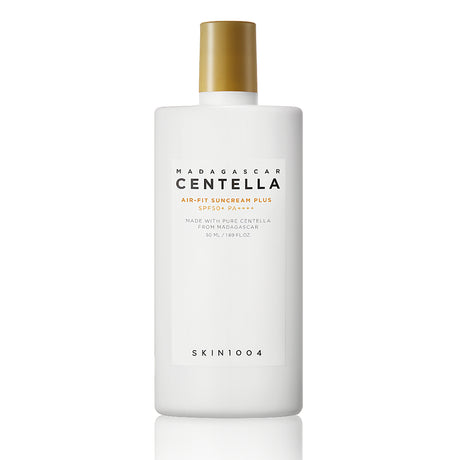
![[SKIN1004] Centella Air-Fit Suncream Plus](//www.yeppo.fi/cdn/shop/products/skin1004-sun-50ml-madagascar-centella-air-fit-suncream-plus-36435996770550_900x_4197c3b2-dbcd-41ec-99c8-3ca46fc6ea2d.jpg?v=1697737315&width=460)
![[SKIN1004] Centella Air-Fit Suncream Plus](//www.yeppo.fi/cdn/shop/products/skin1004-others-50ml-madagascar-centella-air-fit-suncream-plus-34541135102198_600x_b6de7379-00b5-4a4b-88ac-2d40e3b4be67.gif?v=1697737315&width=460) Sale price €16,79 Regular price €23,99Unit price
Sale price €16,79 Regular price €23,99Unit price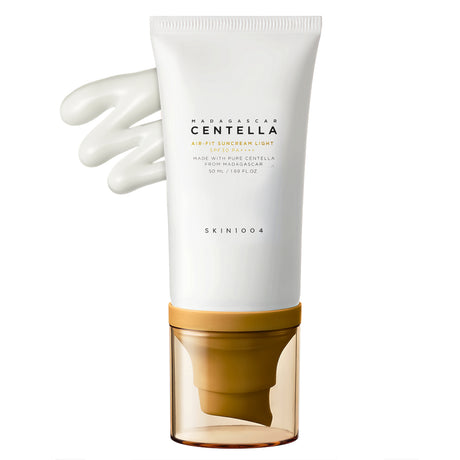
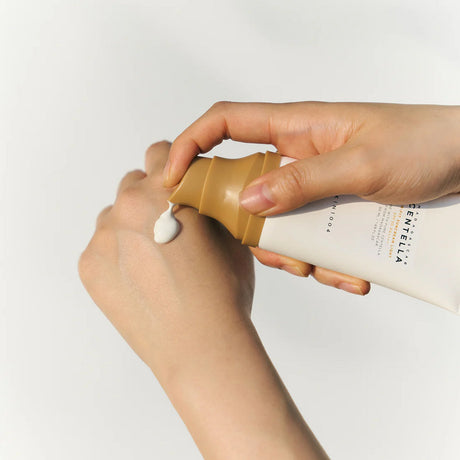
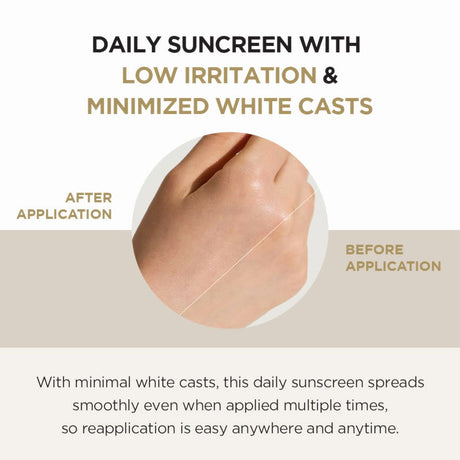
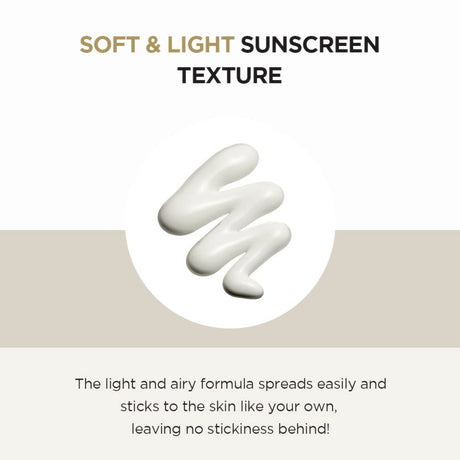 Sale price €18,19 Regular price €25,99Unit price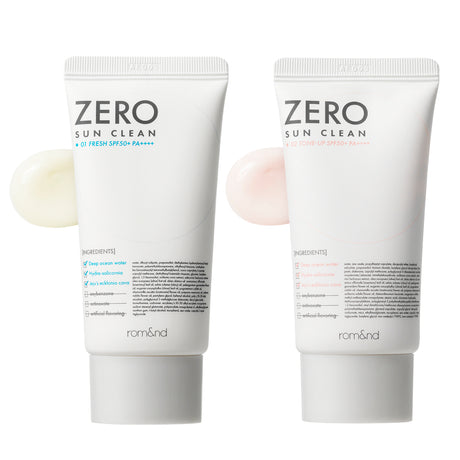
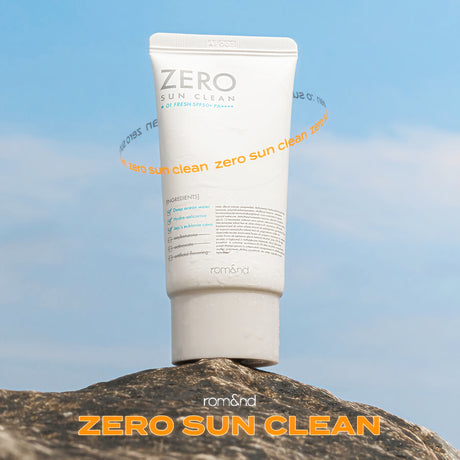
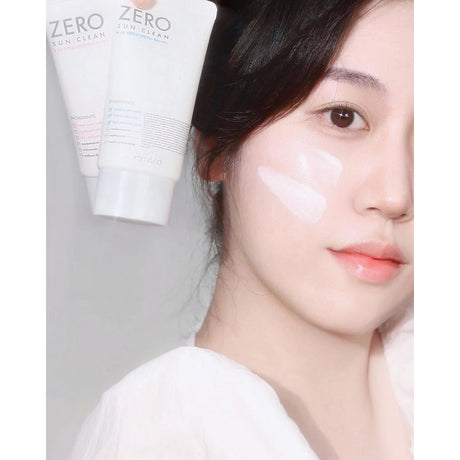
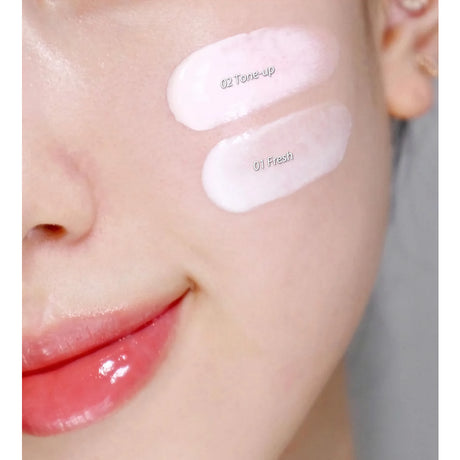
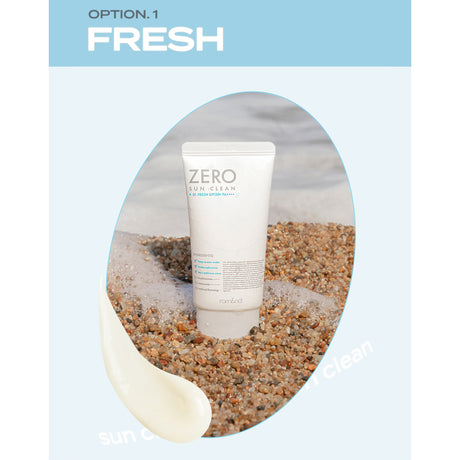
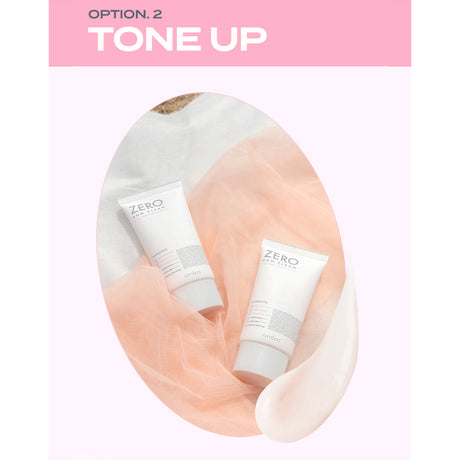 Sale price €15,99 Regular price €19,99Unit price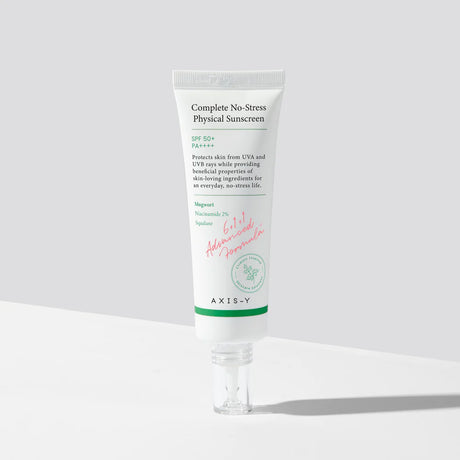
![[Axis-Y] Complete No-Stress Physical Sunscreen](//www.yeppo.fi/cdn/shop/products/AXIS-Y_complete_no-stress_physical_sunscreen_04_1_1000x_jpg.webp?v=1679516817&width=460) Regular price €22,00Unit price
Regular price €22,00Unit price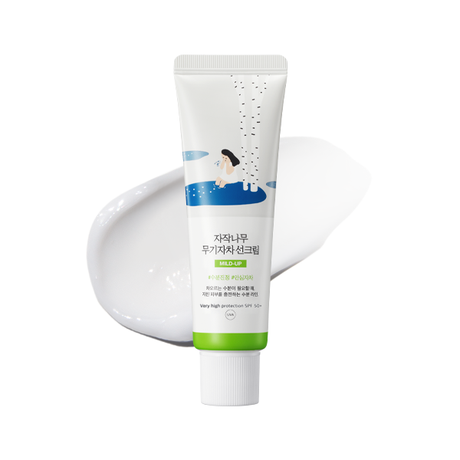
![[Round Lab] Birch Juice Moisturizing Mild Up Sunscreen](//www.yeppo.fi/cdn/shop/files/image_10.jpg?v=1755669845&width=460)
![[Round Lab] Birch Juice Moisturizing Mild Up Sunscreen](//www.yeppo.fi/cdn/shop/files/image_11.jpg?v=1755669848&width=460)
![[Round Lab] Birch Juice Moisturizing Mild Up Sunscreen](//www.yeppo.fi/cdn/shop/files/BirchJuiceMoisturizingMildUpSunscreen_1.png?v=1755669913&width=460)
![[Round Lab] Birch Juice Moisturizing Mild Up Sunscreen](//www.yeppo.fi/cdn/shop/files/Round-Lab-Birch-Juice-Line-Differencies.png?v=1755670804&width=460) Regular price €22,99Unit price
Regular price €22,99Unit price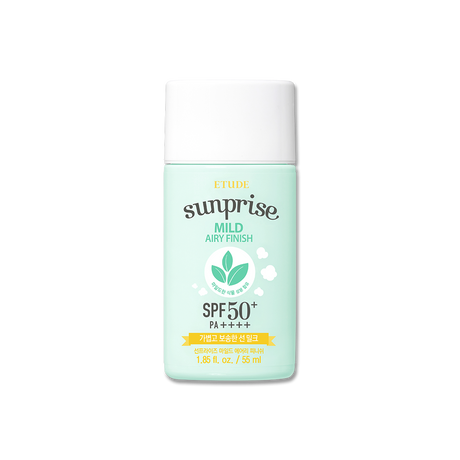
![[ETUDE] Sunprise Mild Airy Finish Sun Milk](//www.yeppo.fi/cdn/shop/files/etude-sunprise-mild-airy-finish-2.jpg?v=1752568136&width=460)
![[ETUDE] Sunprise Mild Airy Finish Sun Milk](//www.yeppo.fi/cdn/shop/files/etude-sunprise-mild-airy-finish-3.jpg?v=1752568136&width=460)
![[ETUDE] Sunprise Mild Airy Finish Sun Milk](//www.yeppo.fi/cdn/shop/files/etude-sunprise-mild-airy-finish-1.jpg?v=1752568136&width=460) Regular price €24,99Unit price
Regular price €24,99Unit price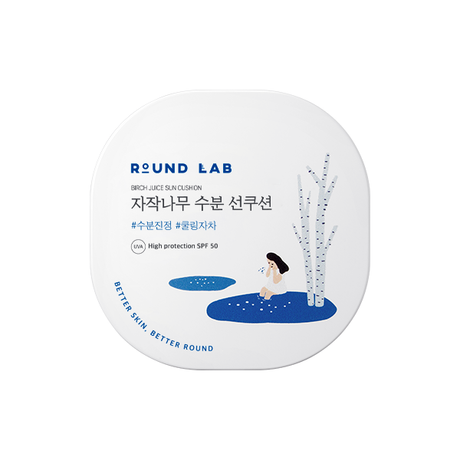 Regular price €26,99Unit price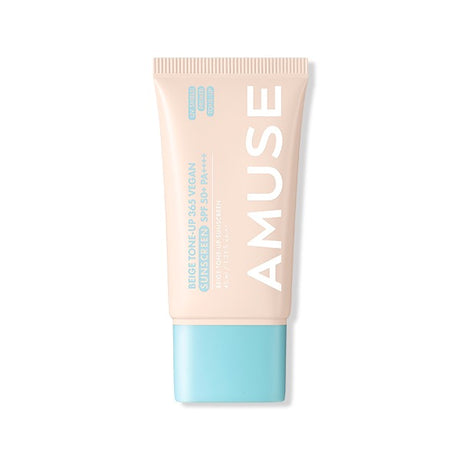
![[Amuse] Beige Tone-Up 365 Vegan Sunscreen](//www.yeppo.fi/cdn/shop/files/Amuse-Beige-Tone-Up-365-Vegan-sunscreen1.jpg?v=1741852210&width=460)
![[Amuse] Beige Tone-Up 365 Vegan Sunscreen](//www.yeppo.fi/cdn/shop/files/Amuse-Beige-Tone-Up-365-Vegan-sunscreen2.jpg?v=1741852213&width=460)
![[Amuse] Beige Tone-Up 365 Vegan Sunscreen](//www.yeppo.fi/cdn/shop/files/Amuse-Moisture-Beige-Tone-Up-365-Vegan-sunscreen.jpg?v=1741852236&width=460)
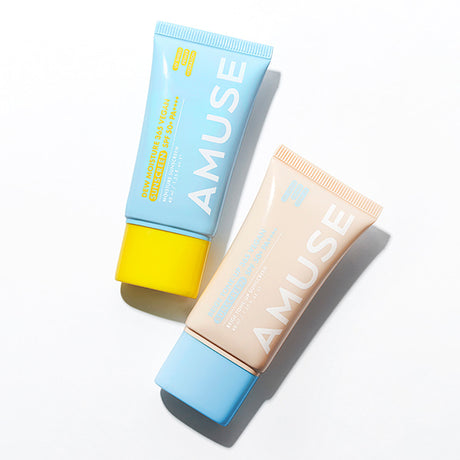 Regular price €31,99Unit price
 Regular price €27,99Unit price
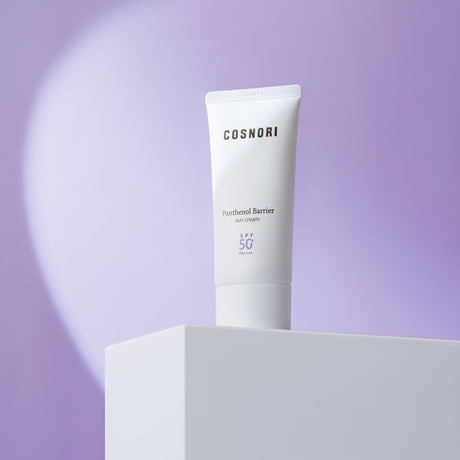
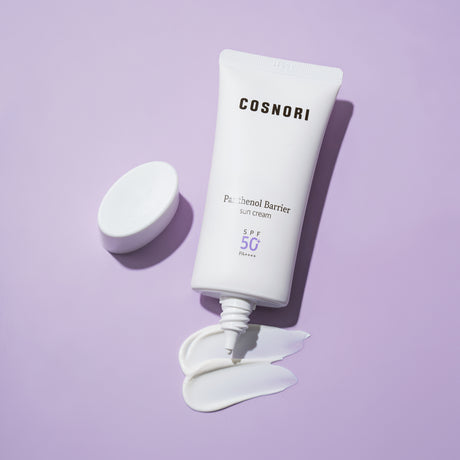
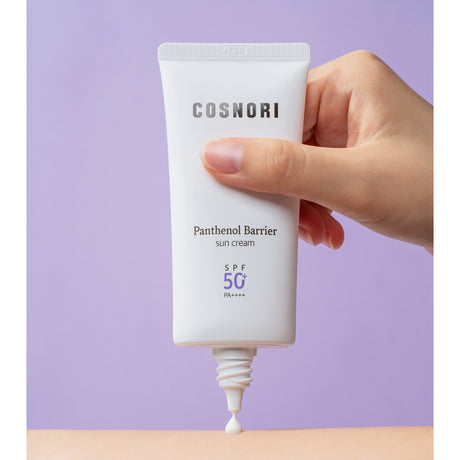
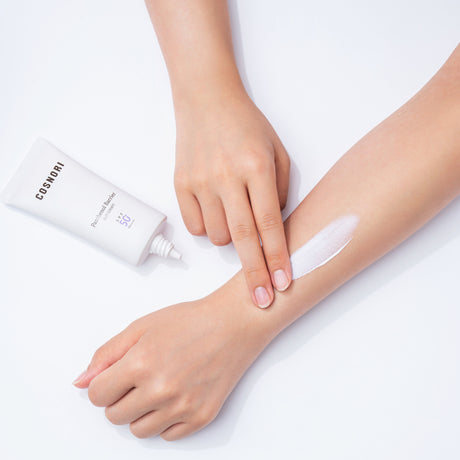 Regular price €22,99Unit price
![[Frudia] Avocado Greenery Relief Sun Cream](//www.yeppo.fi/cdn/shop/files/AvocadoGreeneryReliefSunCream.jpg?v=1722547336&width=460)
![[Frudia] Avocado Greenery Relief Sun Cream](//www.yeppo.fi/cdn/shop/files/Frudia-Avocado-Greenery-Relief-Sun-Cream.webp?v=1722602987&width=460) Regular price €10,99Unit price
Regular price €10,99Unit price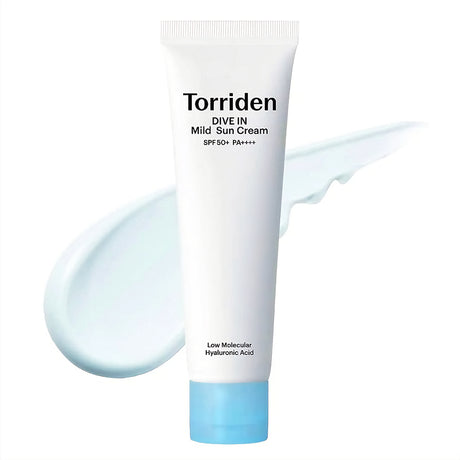
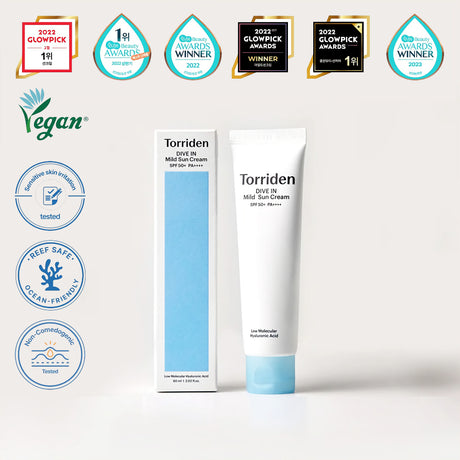
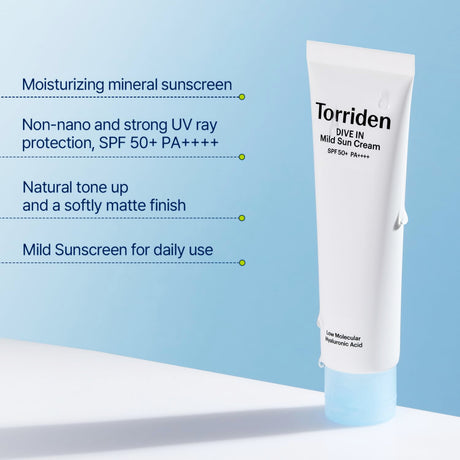
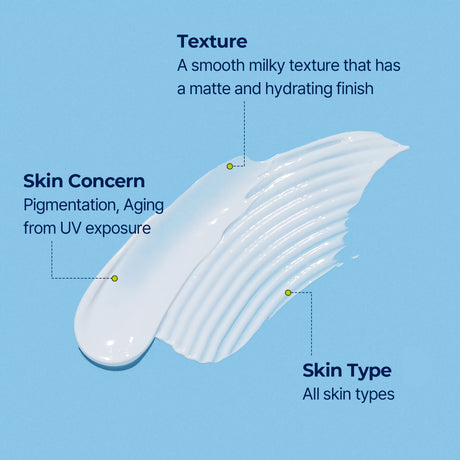
 Regular price €25,99Unit price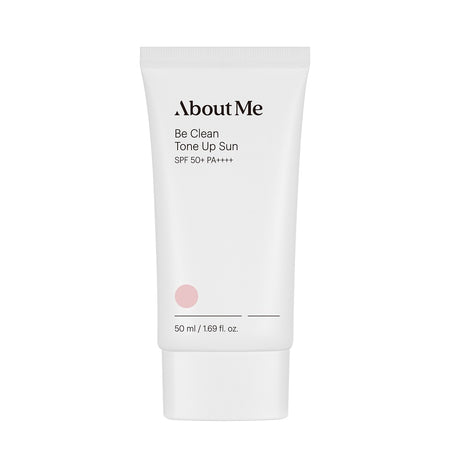
![[About Me] Be Clean Tone Up Sun](//www.yeppo.fi/cdn/shop/files/1000000011_detail_364_jpg.webp?v=1685101682&width=460)
![[About Me] Be Clean Tone Up Sun](//www.yeppo.fi/cdn/shop/files/AboutME_becleantoneupsun_02.jpg?v=1685101698&width=460) Regular price €23,99Unit price
Regular price €23,99Unit price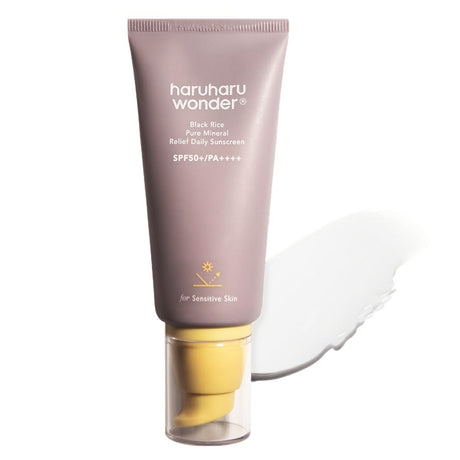
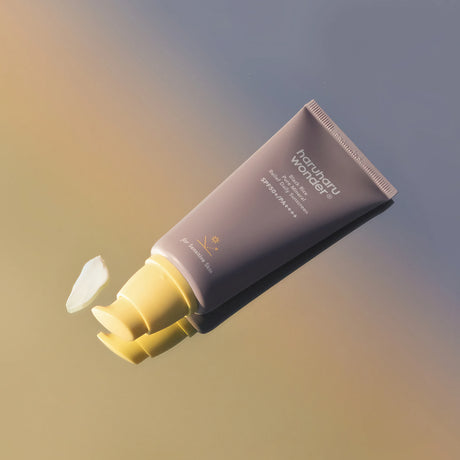
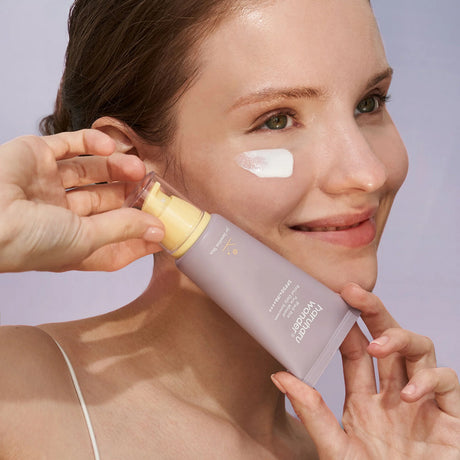
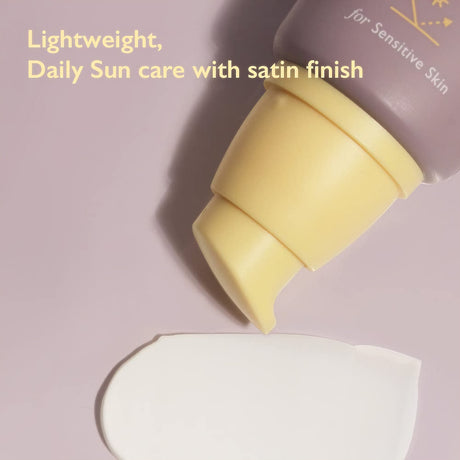
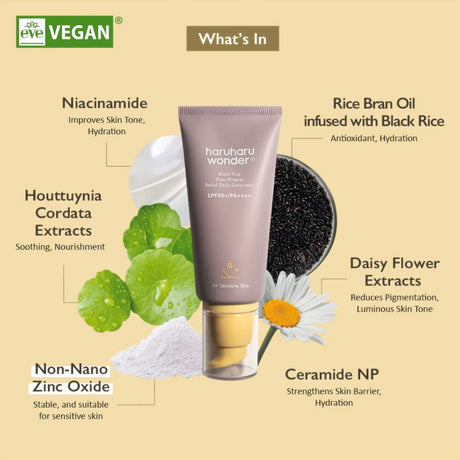
 Regular price €24,99Unit price
 Regular price €27,99Unit price
 Regular price €21,99Unit price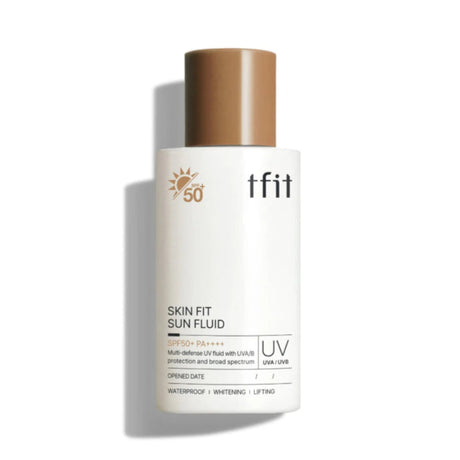
![[TFIT] Skin Fit Sun Fluid](//www.yeppo.fi/cdn/shop/files/TFIT-Skin-Fit-Sun-Fluid1.png?v=1747293367&width=460)
![[TFIT] Skin Fit Sun Fluid](//www.yeppo.fi/cdn/shop/files/TFIT-Skin-Fit-Sun-Fluid2.jpg?v=1747297279&width=460) Regular price €19,99Unit price
Regular price €19,99Unit price
![[Abib] Heartleaf Mild Sunscreen Relief Tube](//www.yeppo.fi/cdn/shop/files/Abib-Heartleaf-Mild-Sunscreen-Relief-Tube-1.jpg?v=1778584544&width=460)
![[Abib] Heartleaf Mild Sunscreen Relief Tube](//www.yeppo.fi/cdn/shop/files/Abib-Heartleaf-Mild-Sunscreen-Relief-Tube-2.jpg?v=1778584556&width=460) Regular price €26,99Unit price
Regular price €26,99Unit price
![[SKIN1004] Madagascar Centella Poremizing Velvet Finish Sunscreen](http://www.yeppo.fi/cdn/shop/files/SKIN1004-Madagascar-Centella-Poremizing-Velvet-Finish-Sunscreen-3.jpg?v=1771826494&width=460)
![[SKIN1004] Madagascar Centella Poremizing Velvet Finish Sunscreen](http://www.yeppo.fi/cdn/shop/files/SKIN1004-Madagascar-Centella-Poremizing-Velvet-Finish-Sunscreen-2.jpg?v=1771826494&width=460)
![[SKIN1004] Madagascar Centella Poremizing Velvet Finish Sunscreen](http://www.yeppo.fi/cdn/shop/files/SKIN1004-Madagascar-Centella-Poremizing-Velvet-Finish-Sunscreen-1.jpg?v=1771826494&width=460)
![[SKIN1004] Madagascar Centella Poremizing Velvet Finish Sunscreen](http://www.yeppo.fi/cdn/shop/files/SKIN1004-Madagascar-Centella-Poremizing-Velvet-Finish-Sunscreen-gif.gif?v=1771237641&width=460)
![[SKIN1004] Madagascar Centella Poremizing Velvet Finish Sunscreen](http://www.yeppo.fi/cdn/shop/files/SKIN1004-Madagascar-Centella-Poremizing-Velvet-Finish-Sunscreen-4.jpg?v=1771237581&width=460)
![[Frudia] Essential Blemish Recovery Balm](http://www.yeppo.fi/cdn/shop/files/Frudia-Essential-Blemish-Recovery-Balm.webp?v=1722600197&width=460)
![[Frudia] Essential Blemish Recovery Balm](http://www.yeppo.fi/cdn/shop/files/Frudia-Essential-Blemish-Recovery-Balm-mood.webp?v=1722600150&width=460)
![[Frudia] Essential Blemish Recovery Balm](http://www.yeppo.fi/cdn/shop/files/Frudia-Essential-Blemish-Recovery-Balm-before-after.jpg?v=1722600079&width=460)
![[Frudia] Essential Blemish Recovery Balm](http://www.yeppo.fi/cdn/shop/files/Frudia-essential-Blemish-Recovery-Balm-consistency.gif?v=1722600084&width=460)
![[SKIN1004] Centella Air-Fit Suncream Plus](http://www.yeppo.fi/cdn/shop/products/skin1004-sun-50ml-madagascar-centella-air-fit-suncream-plus-36435996770550_900x_4197c3b2-dbcd-41ec-99c8-3ca46fc6ea2d.jpg?v=1697737315&width=460)
![[SKIN1004] Centella Air-Fit Suncream Plus](http://www.yeppo.fi/cdn/shop/products/skin1004-others-50ml-madagascar-centella-air-fit-suncream-plus-34541135102198_600x_b6de7379-00b5-4a4b-88ac-2d40e3b4be67.gif?v=1697737315&width=460)
![[Axis-Y] Complete No-Stress Physical Sunscreen](http://www.yeppo.fi/cdn/shop/products/AXIS-Y_complete_no-stress_physical_sunscreen_04_1_1000x_jpg.webp?v=1679516817&width=460)
![[Round Lab] Birch Juice Moisturizing Mild Up Sunscreen](http://www.yeppo.fi/cdn/shop/files/image_10.jpg?v=1755669845&width=460)
![[Round Lab] Birch Juice Moisturizing Mild Up Sunscreen](http://www.yeppo.fi/cdn/shop/files/image_11.jpg?v=1755669848&width=460)
![[Round Lab] Birch Juice Moisturizing Mild Up Sunscreen](http://www.yeppo.fi/cdn/shop/files/BirchJuiceMoisturizingMildUpSunscreen_1.png?v=1755669913&width=460)
![[Round Lab] Birch Juice Moisturizing Mild Up Sunscreen](http://www.yeppo.fi/cdn/shop/files/Round-Lab-Birch-Juice-Line-Differencies.png?v=1755670804&width=460)
![[ETUDE] Sunprise Mild Airy Finish Sun Milk](http://www.yeppo.fi/cdn/shop/files/etude-sunprise-mild-airy-finish-2.jpg?v=1752568136&width=460)
![[ETUDE] Sunprise Mild Airy Finish Sun Milk](http://www.yeppo.fi/cdn/shop/files/etude-sunprise-mild-airy-finish-3.jpg?v=1752568136&width=460)
![[ETUDE] Sunprise Mild Airy Finish Sun Milk](http://www.yeppo.fi/cdn/shop/files/etude-sunprise-mild-airy-finish-1.jpg?v=1752568136&width=460)
![[Amuse] Beige Tone-Up 365 Vegan Sunscreen](http://www.yeppo.fi/cdn/shop/files/Amuse-Beige-Tone-Up-365-Vegan-sunscreen1.jpg?v=1741852210&width=460)
![[Amuse] Beige Tone-Up 365 Vegan Sunscreen](http://www.yeppo.fi/cdn/shop/files/Amuse-Beige-Tone-Up-365-Vegan-sunscreen2.jpg?v=1741852213&width=460)
![[Amuse] Beige Tone-Up 365 Vegan Sunscreen](http://www.yeppo.fi/cdn/shop/files/Amuse-Moisture-Beige-Tone-Up-365-Vegan-sunscreen.jpg?v=1741852236&width=460)
![[Frudia] Avocado Greenery Relief Sun Cream](http://www.yeppo.fi/cdn/shop/files/AvocadoGreeneryReliefSunCream.jpg?v=1722547336&width=460)
![[Frudia] Avocado Greenery Relief Sun Cream](http://www.yeppo.fi/cdn/shop/files/Frudia-Avocado-Greenery-Relief-Sun-Cream.webp?v=1722602987&width=460)
![[About Me] Be Clean Tone Up Sun](http://www.yeppo.fi/cdn/shop/files/1000000011_detail_364_jpg.webp?v=1685101682&width=460)
![[About Me] Be Clean Tone Up Sun](http://www.yeppo.fi/cdn/shop/files/AboutME_becleantoneupsun_02.jpg?v=1685101698&width=460)

![[TFIT] Skin Fit Sun Fluid](http://www.yeppo.fi/cdn/shop/files/TFIT-Skin-Fit-Sun-Fluid1.png?v=1747293367&width=460)
![[TFIT] Skin Fit Sun Fluid](http://www.yeppo.fi/cdn/shop/files/TFIT-Skin-Fit-Sun-Fluid2.jpg?v=1747297279&width=460)

![[Abib] Heartleaf Mild Sunscreen Relief Tube](http://www.yeppo.fi/cdn/shop/files/Abib-Heartleaf-Mild-Sunscreen-Relief-Tube-1.jpg?v=1778584544&width=460)
![[Abib] Heartleaf Mild Sunscreen Relief Tube](http://www.yeppo.fi/cdn/shop/files/Abib-Heartleaf-Mild-Sunscreen-Relief-Tube-2.jpg?v=1778584556&width=460)


 info@yeppo.fi
 14 vrk palautusoikeus
 SSL Encryption
 Secure Checkout
 PCI-DSS Compliant
 PayPal Buyer Protection
 Klarna – Pay Securely
![[A'pieu] Banana Milk One-Pack Sheet Mask](http://www.yeppo.fi/cdn/shop/products/6c7a85_417e0a8a8d0847a69585a88fe2eaaa26_mv2.jpg?v=1616347294&width=156)
![[A'pieu] Coffee Milk One-Pack Facemask](http://www.yeppo.fi/cdn/shop/products/6c7a85_7f19d8c618b143ebb2538f2188cc26e6_mv2.jpg?v=1616346654&width=156)
![[A'pieu] Green Tea Milk One-Pack Sheet Mask](http://www.yeppo.fi/cdn/shop/products/a_pieu_green_tea_milk_one_pack_21g.jpg?v=1622302818&width=156)
![[A'pieu] Icing Sweet Bar Sheet Mask Hanrabong](http://www.yeppo.fi/cdn/shop/products/6c7a85_4c6f0810a10a449da62c0d9badf73533_mv2.jpg?v=1616347691&width=156)
![[A'pieu] Icing Sweet Bar Sheet Mask Pineapple](http://www.yeppo.fi/cdn/shop/products/6c7a85_fcc180ff6d2049b987a2662ebe032536_mv2.jpg?v=1616347693&width=156)