
![[hwarang'] Bokbunja Glow Lip Mask](http://www.yeppo.fi/cdn/shop/files/hwarang-Bokbunja-Glow-Lip-Mask-1.jpg?v=1790227999&width=460)
![[hwarang'] Bokbunja Glow Lip Mask](http://www.yeppo.fi/cdn/shop/files/hwarang-Bokbunja-Glow-Lip-Mask-2.jpg?v=1790228040&width=460)
![[hwarang'] Bokbunja Glow Lip Mask](http://www.yeppo.fi/cdn/shop/files/hwarang-Bokbunja-Glow-Lip-Mask-3.jpg?v=1790228064&width=460)
![[hwarang'] Bokbunja Glow Lip Mask](http://www.yeppo.fi/cdn/shop/files/hwarang_-Bokbunja-Glow-Lip-Mask-lifestyle.jpg?v=1790228084&width=460)
![[hwarang'] Bokbunja Glow Lip Mask](http://www.yeppo.fi/cdn/shop/files/hwarang-Bokbunja-Glow-Lip-Mask-4.jpg?v=1790228107&width=460)
![[hwarang'] Bokbunja Glow Lip Mask](http://www.yeppo.fi/cdn/shop/files/hwarang-Bokbunja-Glow-Lip-Mask-5.jpg?v=1790228120&width=460)
![[medicube] PDRN Pink Collagen Volume Multi Balm](http://www.yeppo.fi/cdn/shop/files/medicube-PDRN-Pink-Collagen-Volume-Multi-Balm-1.jpg?v=1789372775&width=460)
![[medicube] PDRN Pink Collagen Volume Multi Balm](http://www.yeppo.fi/cdn/shop/files/medicube-PDRN-Pink-Collagen-Volume-Multi-Balm-6.jpg?v=1790052367&width=460)
![[medicube] PDRN Pink Collagen Volume Multi Balm](http://www.yeppo.fi/cdn/shop/files/medicube-PDRN-Pink-Collagen-Volume-Multi-Balm-2.jpg?v=1789372783&width=460)
![[medicube] PDRN Pink Collagen Volume Multi Balm](http://www.yeppo.fi/cdn/shop/files/medicube-PDRN-Pink-Collagen-Volume-Multi-Balm-3.jpg?v=1789372801&width=460)
![[medicube] PDRN Pink Collagen Volume Multi Balm](http://www.yeppo.fi/cdn/shop/files/medicube-PDRN-Pink-Collagen-Volume-Multi-Balm-5.jpg?v=1790052476&width=460)
![[Anua] Azelaic Acid 10 Hyaluron Redness Soothing Serum](http://www.yeppo.fi/cdn/shop/files/Anua-Azelaic-Acid-10-Hyaluron-Redness-Soothing-Serum1.webp?v=1749201959&width=460)
![[Anua] Azelaic Acid 10 Hyaluron Redness Soothing Serum](http://www.yeppo.fi/cdn/shop/files/Anua-Azelaic-Acid-10-Hyaluron-Redness-Soothing-Serum2.jpg?v=1751543293&width=460)
![[Anua] Azelaic Acid 10 Hyaluron Redness Soothing Serum](http://www.yeppo.fi/cdn/shop/files/Anua-Azelaic-Acid-10-Hyaluron-Redness-Soothing-Serum3.jpg?v=1751543302&width=460)
![[Anua] Azelaic Acid 10 Hyaluron Redness Soothing Serum](http://www.yeppo.fi/cdn/shop/files/Anua-Azelaic-Acid-10-Hyaluron-Redness-Soothing-Serum4.jpg?v=1751543311&width=460)
![[Anua] Azelaic Acid 10 Hyaluron Redness Soothing Serum](http://www.yeppo.fi/cdn/shop/files/Anua-Azelaic-Acid-10-Hyaluron-Redness-Soothing-Serum5.jpg?v=1751543336&width=460)
![[hwarang'] Pink Ribbon Edition Peony Grinding Cleansing Balm Duo Set](http://www.yeppo.fi/cdn/shop/files/71855F12-B8E9-4153-8AEE-C52020B6A068.jpg?v=1781507636&width=460)
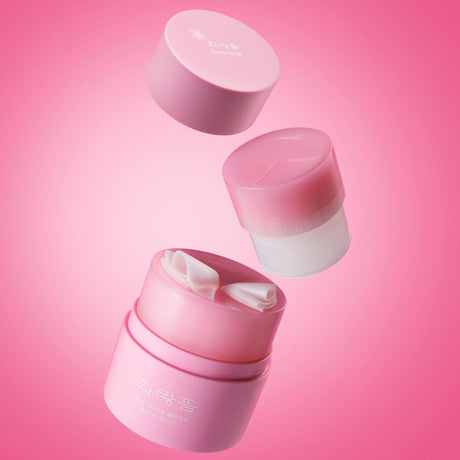

Have you ever bought a skincare product that felt perfect in the store... but didn’t actually do what it promised?
Often the reason is not the product – but rather that it didn’t suit your skin’s specific needs. When you recognize your own skin type, skincare becomes simpler, more effective, and much more rewarding!
Why is it worth knowing your own skin type?
When you know your own skin type, finding suitable products is easier! Skin types and suitable products are not set in stone – everyone’s skin has individual needs, and many products suit multiple skin types. But observing your skin’s needs and recognizing your skin type can greatly help in finding the right products.
When you use products suitable for your skin type:
- your skin stays balanced
- you avoid unnecessary irritation and impurities
- you really get the benefits from the products
- you save money and time
Wrong products, on the other hand, can dry out, clog pores, or sensitize the skin. We certainly don’t want any of that! Next, let’s look at the different skin types and how to identify your own.
Different skin types – do you recognize yours?
Dry skin
Dry skin is easy to recognize – it can be visibly dry or feel tight. Surface dryness can cause flaking and roughness. Dry skin may also have a more visible texture. Dry skin rarely or never has impurities, but fine lines may appear earlier.
Characteristics of dry skin:
- tight feeling after washing
- roughness or flaking
- skin easily looks dull
What the skin needs:
- plenty of hydration
- lipids (oils) to protect the skin
- products that strengthen the skin’s protective barrier and help retain moisture
Product tips for dry skin:
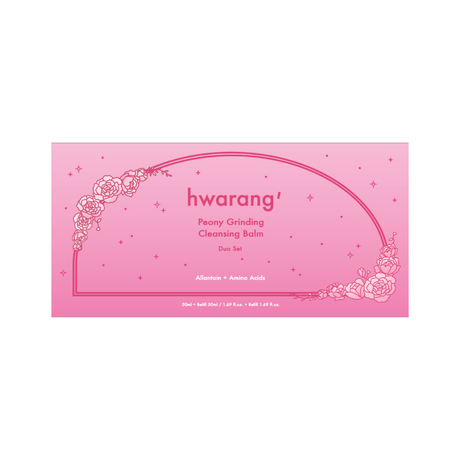
- [hwarang'] Peony Grinding Cleansing Balm
- [hwarang'] Extreme Glow Ogok Latte Creamy Toner
- [ETUDE] SoonJung 2x Barrier Intensive Cream

Oily skin
Oily skin often has enlarged pores and stronger sebum production. Because of this, the skin often starts to shine during the day. The skin surface also feels clearly oily. Oily skin type is more prone to impurities, such as pimples.
Characteristics of oily skin:
- starts shining quickly, especially in the T-zone
- enlarged pores
- prone to impurities
What the skin needs:
- light hydration
- products that balance sebum production
- thorough but not too harsh cleansing
Product tips for oily skin:
- [Anua] Heartleaf Pore Control Cleansing Oil
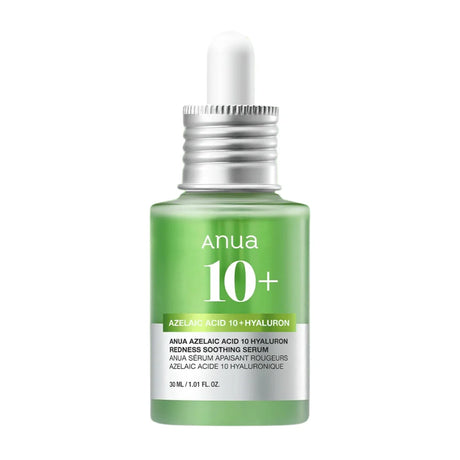
- [Anua] Azelaic Acid 10 Hyaluron Redness Soothing Serum
- [medicube] Zero Pore Cream 2.0

Combination skin
Combination skin simultaneously has features of several different skin types. They can appear in different areas of the face or even overlap. With combination skin, it can be difficult to determine what it needs at any given time. The needs of combination skin can also vary greatly depending on the season; in summer, combination skin may become oilier, while in winter it can be very dry. Combination skin can feel both oily and tight and dry at the same time – so caring for it is not the easiest!
Characteristics of combination skin:
- oily T-zone (forehead, nose, chin)
- dry or normal in other areas
- skin can feel "uneven" and it can be difficult to assess what it needs
What the skin needs:
- balancing care
- different products for different areas (if needed)
- light moisturizing + targeted products
Product tips for combination skin:
- [SKIN1004] Madagascar Centella Poremizing Clear Toner
- [Purito Seoul] Azelaic Acid 10 Kojic Tea Tree Serum
- [Purito Seoul] Mighty Bamboo Panthenol Cream

Normal skin
If you belong to this group, congratulations! Normal skin means balanced skin without particularly strong features in either direction. Normal skin still needs occasional moisturizing and also protection from the sun. Normal skin can also have some concerns that need help from skincare, such as hyperpigmentation or fine lines.
Characteristics of normal skin:
- balanced, no excessive dryness or oiliness
- skin feels comfortable without tightness or shine
What the skin needs:
- maintenance care
- moisturizing and protection
Normal skin can try any product that meets the skin's needs! Like other skin types, so-called normal skin is always individual and the right product for you can only be found by testing. You can explore here Yeppo's bestseller products, which our customers love 💜

Sensitive skin
Many Scandinavians say their skin is sensitive. Skin sensitivity is very individual and we are also sensitive to different things. It is therefore good to recognize what specifically sensitizes your own skin. Although sensitive skin is more of a skin concern than a skin type, it is still important to pay special attention to its care.
Characteristics of sensitive skin:
- reacts easily to products
- redness, stinging, or itching
- skin can be thin and/or reactive
What the skin needs:
- soothing products and ingredients
- fragrance-free products or products with very little fragrance
- products that strengthen the skin's barrier
Product tips for sensitive skin:
- [hwarang'] Bellflower Cleansing Balm
- [SKIN1004] Madagascar Centella Toning Toner
- [hwarang'] Bellflower Moisturizing Barrier Cream
![[hwarang'] Bellflower Moisturizing Barrier Cream](https://cdn.shopify.com/s/files/1/0550/1927/4448/files/hwarang-barrier-cream-mood3_480x480.webp?v=1748334811)
Can skin type change?
Yes – and this is completely normal.
Skin type is not permanent for life, but is influenced by, for example:
- age (skin becomes more dry as we age)
- seasons (especially dry indoor air in winter causes the skin to dry out)
- hormones
- stress and lifestyle
If the skin is treated with the wrong products or too harshly, the perception of your own skin type can also become blurred. For example, if oily skin is washed and exfoliated too harshly, oily skin can suddenly become dry and sensitive. However, the basic skin type is fundamentally the same, but the skin is then out of balance.

Test: What is your skin type?
With this playful test, you can find out your skin type! Choose the option that fits best in each section:
1. Wash your face and wait an hour – how does your skin feel?
A) Balanced and comfortable
B) Tight and dry
C) Shiny or oily
D) Slightly dry and irritated
2. How quickly does your face start to shine during the day?
A) Rarely or not at all
B) Never, face may feel dry and tight during the day
C) Quickly, especially in the T-zone
D) Varies, skin may redden more during the day
3. How does your skin react to new products?
A) Usually well, no major reactions
B) Often needs more moisture after one product
C) New products can clog pores or feel heavy
D) It reacts easily: redness or rash appears often
4. How do products absorb into your skin?
A) Evenly and the skin feels good
B) Quickly, but the skin still needs more
C) Products tend to stay on the skin surface
D) Depends on the product
Results:
Mostly A answers → Normal skin
Your skin is balanced and does not need special treatment – maintenance care is enough.
Mostly B answers → Dry skin
Your skin needs moisture and protection especially after washing and possibly throughout the day.
Mostly C answers → Oily skin
Your skin produces more sebum and benefits from light, balancing products.
Mostly D answers → Sensitive skin
Your skin reacts easily – focus on soothing and simple products.
✨ If your answers were spread across several letters:
You probably have combination skin.
This means that different areas of the face have different needs. For example, the T-zone can become oily while the cheeks need moisture. Or the skin can feel dry and still start to shine throughout the day.
Most common mistakes in skincare
1. Products that are too strong
- What counts as a strong product varies for everyone, but every skin type suffers if the skin is challenged with products that are too harsh. Too harsh exfoliating products or the simultaneous use of several different active ingredients can challenge the skin's protective barrier. In this case, skin that normally does not react sensitively to products can suddenly become irritated and reactive. If your skin has become sensitized due to overly strong products, cut your skincare routine down to the absolute minimum and take a break from strong active ingredients for a few weeks. Once the skin has calmed down, you can reintroduce these ingredients little by little back into your skincare routine
- What are active ingredients? Active ingredients are the product’s effective substances – that is, ingredients that affect the skin and provide the desired benefit. Some active ingredients are gentler, and some are strong. Typical examples of strong active ingredients include retinol, exfoliating acids, and vitamin C. Not all active ingredients are equally sensitizing; examples of less irritating ones are peptides and ceramides.
2. Over-cleansing the skin
- The skin needs regular cleansing, but using harsh cleansers or cleansing the skin multiple times a day can challenge the skin’s protective barrier. Test which cleansing routine suits your skin because this varies greatly depending on skin type! For dry skin, gentle cleansing only in the evening may be enough, while oily skin may want to cleanse the face morning and evening. However, the face may need more cleansing in humid and hot climates.
3. Confusing skin type with skin condition
- This is a common mistake! Skin type and skin concerns are two different things. Skin concerns change more quickly depending on the situation and conditions. Skin type, although not permanently the same, does not change as quickly. Examples of skin concerns include pigmentation spots, blackheads, enlarged pores, fine lines, wrinkles, and in some cases, skin irritation.
4. Testing multiple new products at the same time
- We recommend adding one new product to your routine at a time, especially if they are from the same product category. There are two reasons for this: Minimize potential skin irritation & you can observe how the product suits or does not suit your skin
If you add many products to your routine at once, your skin may become irritated either from excessive load or from a single product. If products are added simultaneously, it can be impossible to know which product caused the reaction. Even when the reaction is positive, it’s good to be able to identify which product caused the particularly good response.

Once you learn to identify your skin type, skincare becomes much clearer. You don’t need dozens of products – just the right ones for your skin!
Do you now know your skin type but are still unsure which products are best for you? Ask Yeppo's cosmetologist for help, who provides personalized advice tailored to your skin's needs ✨
 info@yeppo.fi
 14 vrk palautusoikeus
 SSL Encryption
 Secure Checkout
 PCI-DSS Compliant
 PayPal Buyer Protection
 Klarna – Pay Securely
![[A'pieu] Banana Milk One-Pack Sheet Mask](http://www.yeppo.fi/cdn/shop/products/6c7a85_417e0a8a8d0847a69585a88fe2eaaa26_mv2.jpg?v=1616347294&width=156)
![[A'pieu] Coffee Milk One-Pack Facemask](http://www.yeppo.fi/cdn/shop/products/6c7a85_7f19d8c618b143ebb2538f2188cc26e6_mv2.jpg?v=1616346654&width=156)
![[A'pieu] Green Tea Milk One-Pack Sheet Mask](http://www.yeppo.fi/cdn/shop/products/a_pieu_green_tea_milk_one_pack_21g.jpg?v=1622302818&width=156)
![[A'pieu] Icing Sweet Bar Sheet Mask Hanrabong](http://www.yeppo.fi/cdn/shop/products/6c7a85_4c6f0810a10a449da62c0d9badf73533_mv2.jpg?v=1616347691&width=156)
![[A'pieu] Icing Sweet Bar Sheet Mask Pineapple](http://www.yeppo.fi/cdn/shop/products/6c7a85_fcc180ff6d2049b987a2662ebe032536_mv2.jpg?v=1616347693&width=156)