
![[hwarang'] Bokbunja Glow Lip Mask](http://www.yeppo.fi/cdn/shop/files/hwarang-Bokbunja-Glow-Lip-Mask-1.jpg?v=1790227999&width=460)
![[hwarang'] Bokbunja Glow Lip Mask](http://www.yeppo.fi/cdn/shop/files/hwarang-Bokbunja-Glow-Lip-Mask-2.jpg?v=1790228040&width=460)
![[hwarang'] Bokbunja Glow Lip Mask](http://www.yeppo.fi/cdn/shop/files/hwarang-Bokbunja-Glow-Lip-Mask-3.jpg?v=1790228064&width=460)
![[hwarang'] Bokbunja Glow Lip Mask](http://www.yeppo.fi/cdn/shop/files/hwarang_-Bokbunja-Glow-Lip-Mask-lifestyle.jpg?v=1790228084&width=460)
![[hwarang'] Bokbunja Glow Lip Mask](http://www.yeppo.fi/cdn/shop/files/hwarang-Bokbunja-Glow-Lip-Mask-4.jpg?v=1790228107&width=460)
![[hwarang'] Bokbunja Glow Lip Mask](http://www.yeppo.fi/cdn/shop/files/hwarang-Bokbunja-Glow-Lip-Mask-5.jpg?v=1790228120&width=460)
![[BBIA] 38C Tubing Mascara](http://www.yeppo.fi/cdn/shop/files/BBIA-38C-Tubing-Mascara-1.jpg?v=1779184178&width=460)
![[BBIA] 38C Tubing Mascara](http://www.yeppo.fi/cdn/shop/files/BBIA-38C-Tubing-Mascara-3.jpg?v=1779184201&width=460)
![[BBIA] 38C Tubing Mascara](http://www.yeppo.fi/cdn/shop/files/BBIA-38C-Tubing-Mascara-2.jpg?v=1779184187&width=460)
![[BBIA] 38C Tubing Mascara](http://www.yeppo.fi/cdn/shop/files/BBIA-38C-Tubing-Mascara-4.jpg?v=1779184227&width=460)
![[BBIA] 38C Tubing Mascara](http://www.yeppo.fi/cdn/shop/files/BBIA-38C-Tubing-Mascara-5.jpg?v=1779184242&width=460)
![[BBIA] 38C Tubing Mascara](http://www.yeppo.fi/cdn/shop/files/BBIA-38C-Tubing-Mascara-6.jpg?v=1779184274&width=460)
![[BBIA] 38C Tubing Mascara](http://www.yeppo.fi/cdn/shop/files/BBIA-38C-Tubing-Mascara-8.jpg?v=1779185072&width=460)
![[Dr. Althea] 345 Relief Cream Mist](http://www.yeppo.fi/cdn/shop/files/Dr.Althea-345-Relief-Cream-Mist-1.jpg?v=1770727761&width=460)
![[Dr. Althea] 345 Relief Cream Mist](http://www.yeppo.fi/cdn/shop/files/Dr.Althea-345-Relief-Cream-Mist-4.jpg?v=1770727761&width=460)
![[Dr. Althea] 345 Relief Cream Mist](http://www.yeppo.fi/cdn/shop/files/Dr.Althea-345-Relief-Cream-Mist-2.jpg?v=1770727761&width=460)
![[Dr. Althea] 345 Relief Cream Mist](http://www.yeppo.fi/cdn/shop/files/Dr.Althea-345-Relief-Cream-Mist-3.jpg?v=1770727761&width=460)
![[Dr. Althea] 345 Relief Cream Mist](http://www.yeppo.fi/cdn/shop/files/Dr.Althea-345-Relief-Cream-Mist-60ml.jpg?v=1770727761&width=460)
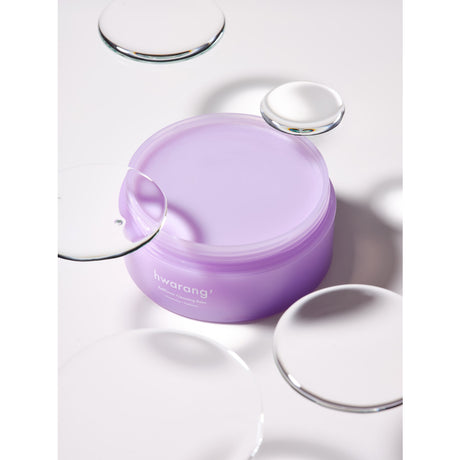
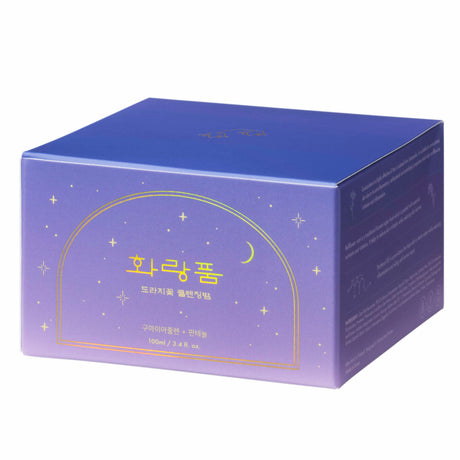
![[hwarang'] Bellflower Cleansing Balm](http://www.yeppo.fi/cdn/shop/files/hwarang-bellflower-cleansing-balm-mini-30ml-min.webp?v=1740465019&width=460)
Hyperpigmentation is a challenging condition for many and is one of the most difficult skincare challenges. Anyone can develop hyperpigmentation, and it becomes more visible on the skin as we age.
The topic is well known in Korea as well, which is why Korean cosmetics offer a wide range of skin brightening products designed to even out skin tone and reduce the visibility of pigment changes.
In this article, we will cover:
- What is hyperpigmentation?
- What causes hyperpigmentation?
- How can it be prevented?
- Is it possible to fade it?
At the end, we also share our product recommendations for different skin types ❤️
What is hyperpigmentation?
Hyperpigmentation is an umbrella term for various pigment disorders on the skin. It has different forms, such as post-inflammatory hyperpigmentation (PIH), melasma, or age spots that appear over time. Freckles and sun spots are also types of hyperpigmentation.
Hyperpigmentation can occur in all skin tones, from light to dark, so it affects many people.

What causes skin pigmentation?
Our skin contains melanin, the pigment that gives skin its color. Melanin is produced by melanocytes, which are located in the lower part of the epidermis, the skin’s outer layer. When the skin is exposed to various irritants, melanin production can increase. Such irritants include skin inflammations (like pimples), hormonal changes, and UV radiation.
Inside melanocytes are melanosomes, which play a central role in the formation of skin tone and hyperpigmentation. When the skin is irritated, an enzyme called tyrosinase is activated and begins producing more pigment in the melanosomes.
Eventually, this excess melanin gradually moves toward the skin surface, where it appears as darker spots on the skin.
Genetic factors also have an impact. Some people naturally have a greater tendency for hyperpigmentation, and studies show it can be a particularly challenging skin issue for darker skin types, which already have more melanin. Additionally, pigment changes such as melasma can become more pronounced during pregnancy or with certain hormonal medications.

Three important steps to fading pigment spots
It can be difficult to completely get rid of pigment spots with cosmetics, but you can try to fade them by various means. Next, we will go through three important points that can even out and brighten skin tone.
1. Prevention – the key step
The best way to manage pigment changes is prevention! Prevention is much easier and more affordable than treating a skin challenge. Especially in the case of pigment spots, which are persistent and take a long time to fade. Korean skincare is largely based on the philosophy of prevention.
We cannot influence our genes, but we can do something that prevents the formation of hyperpigmentation: by using sunscreen regularly. UV radiation is one of the most common causes of hyperpigmentation, so using sunscreen is essential — no matter what your skin tone is!
Does it matter what kind of sunscreen you use? The most important thing is to find a sunscreen that you will use daily. Contrary to the popular belief, it does not matter whether it is a physical or chemical sunscreen. It is more important to find a sunscreen suitable for your skin. If you want tips on finding the right sunscreen for you, read this article, where we go through the basics of sunscreens. Also check out here our wide selection of sunscreens!

It is important to note that pigment disorders are not caused only by the sun's UV rays but also by other wavelengths of light, for example, visible light. Therefore, being in direct sunlight can also cause pigment changes in some people who have a strong tendency to hyperpigmentation. However, sunlight is also important for our health, so it is good to maintain balance in this matter.
It is also advisable to avoid unnecessary skin irritation, such as squeezing pimples or vigorous mechanical treatment of the skin (e.g. comedo extractors and other similar home-use tools).
Gentle skincare is an important part of managing pigmentation changes.
2. Treatment – many ways to brighten the skin
The second step is where most people start – how to reduce the visibility of dark spots.
When we understand what activates the formation of pigmentation spots in the skin, we can also choose products and ingredients that target the root cause of the issue.
There are several ingredients that have been studied for their skin brightening properties. In Korean cosmetics, these products are often referred to as “brightening” or sometimes “whitening” products, but in practice their purpose is primarily to even out skin tone, support skin health, and reduce the visibility of pigmentation changes.
The effectiveness of these ingredients is based on their ability to inhibit the activity of tyrosinase mentioned earlier, a key factor in pigment formation.
Some of the most studied ingredients that inhibit tyrosinase activity:
- Ascorbic acid, the familiar vitamin C (inci: l-ascorbic acid)
- Other vitamin C derivatives also brighten the skin, but they have not been studied as long or as thoroughly as pure ascorbic acid. However, they are a good option for more sensitive skin, as vitamin C can cause skin irritation at high concentrations for some people.
- Alpha Arbutin (inci: alpha arbutin)
- Glabridin, found in licorice root (inci: glycyrrhiza glabra)
- Azelaic acid (inci: azelaic acid)
- Niacinamide (inci: niacinamide)
- Rice (inci: oryza rice sativa extract/bran water/oil)
3. Exfoliation - reveal new, bright skin
The third way to reduce the visibility of pigmentation spots is to boost skin renewal - this is helped by, among other things, exfoliants and retinoids. These may not be sufficient on their own to treat hyperpigmentation, but they can support skin's renewal and brighten the skin tone. Retinoids, such as retinol, retinaldehyde, and other vitamin A derivatives, enhance the skin's renewal process. Chemical exfoliants, especially AHA's like glycolic acid have been found to have properties that can help the appearance of pigment spots.
The best results usually come from combining all three in the right proportion: prevention, treatment with brightening ingredients, and exfoliation.

Brightening skincare routine for normal skin:
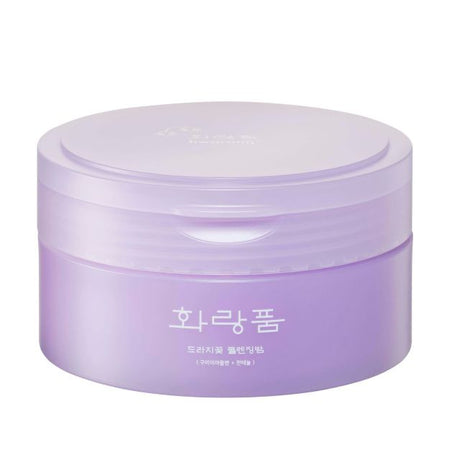
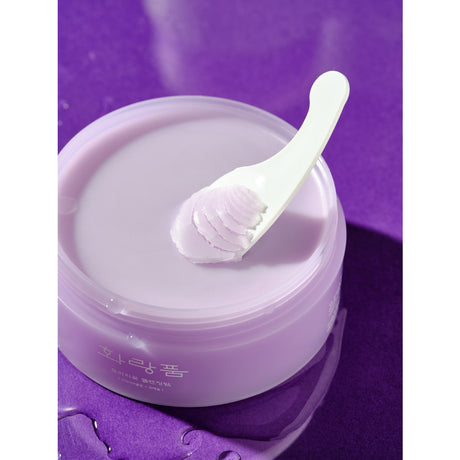
- Cleanse: gentle facial cleansing with hwarang Bellflower Cleansing Balm oil-based cleansing balm and axis-y brightening cleansing gel
- Toner/essence, for example: hwarang' Ogok toner suitable for dry skin or Anua Niacinamide 5 TXA brightening toner pads suitable for combination and oily skin
- Serum: in the mornings, antioxidant Eqqualberry Vitamin Illuminating serumin the evening, Some By Mi retinol intense serum containing retinol and licorice rootor VT Cosmetics' Reti-A Reedle Shot 100, which combines retinol and microneedling-like technology
- Sunscreen: skin-soothing SKIN1004 tea-trica sun milk spf 50
- Moisturizer: in the evening replace sunscreen with the soothing Etude Soonjung Hydro Barrier Cream moisturizer
- Exfoliation: you can use the gently exfoliating Numbuzin No.4 Ceramide AHA Glazed Skin Prep serum in the mornings, which also preps the skin for makeup, or for example replace retinol with an exfoliating product once a week in the evenings, such as Medicube Zero Pore One Day Serum
👉🏼 Remember that strong active ingredients, such as retinol, reedle products, and vitamin C are not recommended for young skin; we recommend these to people who are 25 or older.
👉🏼 Start using new products cautiously, especially when combining exfoliating products with other active ingredients, as each skin’s sensitivity is individual
👉🏼 Remember to use sunscreen especially when using AHA's

Remember that fading pigment spots takes time, so be patient and give your skin time ❤️ The skin undergoes a full renewal on average within 2 months, so it is good to allow at least 2 months for the first results to start showing. The best results are usually seen after 6-12 months.
(In very severe cases, when hyperpigmentation is really intense, it is also possible to seek medical help and get a prescription medication for the condition. Laser treatments performed at clinics are also an effective option for treating hyperpigmentation.)
Sources:
Dr. Wong, M. The Science of Beauty. 6/2024. pages 115-116. How can I treat dark spots and uneven pigment? Accessed 6.11.2024.
Dr. Yoo, J. Differential diagnosis and management of hyperpigmentation, Clinical and Experimental Dermatology, Volume 47, Issue 2, 1 February 2022, pages 251–258. Accessed 6.11.2024. https://doi.org/10.1111/ced.14747
 info@yeppo.fi
 14 vrk palautusoikeus
 SSL Encryption
 Secure Checkout
 PCI-DSS Compliant
 PayPal Buyer Protection
 Klarna – Pay Securely
![[A'pieu] Banana Milk One-Pack Sheet Mask](http://www.yeppo.fi/cdn/shop/products/6c7a85_417e0a8a8d0847a69585a88fe2eaaa26_mv2.jpg?v=1616347294&width=156)
![[A'pieu] Coffee Milk One-Pack Facemask](http://www.yeppo.fi/cdn/shop/products/6c7a85_7f19d8c618b143ebb2538f2188cc26e6_mv2.jpg?v=1616346654&width=156)
![[A'pieu] Green Tea Milk One-Pack Sheet Mask](http://www.yeppo.fi/cdn/shop/products/a_pieu_green_tea_milk_one_pack_21g.jpg?v=1622302818&width=156)
![[A'pieu] Icing Sweet Bar Sheet Mask Hanrabong](http://www.yeppo.fi/cdn/shop/products/6c7a85_4c6f0810a10a449da62c0d9badf73533_mv2.jpg?v=1616347691&width=156)
![[A'pieu] Icing Sweet Bar Sheet Mask Pineapple](http://www.yeppo.fi/cdn/shop/products/6c7a85_fcc180ff6d2049b987a2662ebe032536_mv2.jpg?v=1616347693&width=156)